A neighborhood in bloom
Together with Dura Vermeer and Felixx, we won the tender for a new neighborhood in the Vrouwenpolder district of Barendrecht. In 2025, 127 owner-occupied and rental homes in various housing typologies for different target groups will be built between the Oude Maas and the town center.

Project
Bloei
Location
Barendrecht, Netherlands
Client
Dura Vermeer
Program
127 owner-occupied and rental homes
Status
Preliminary design
A vision based on three core promises
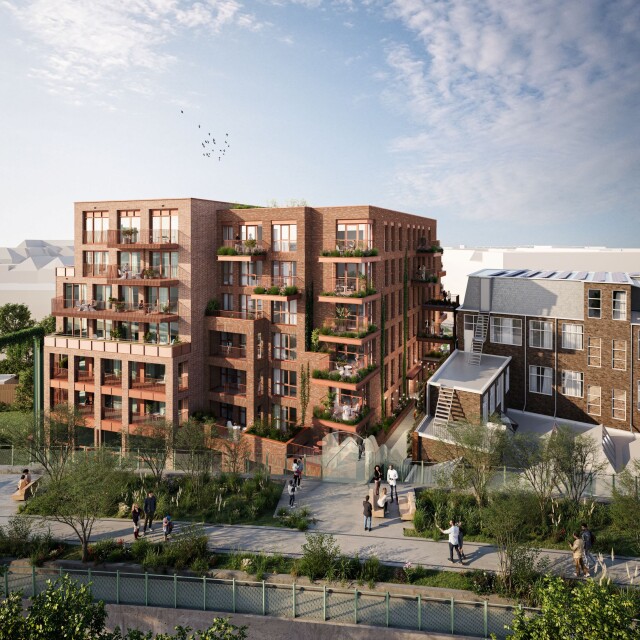
The vision for Bloei encompasses three core promises that seamlessly connect. The plan emphasizes climate and nature, integrated with a strong focus on an inclusive and diverse residential neighborhood. Bloei will not only become a place to live, but also the vibrant heart and meeting point for all residents of the Vrouwenpolder district, with the park serving as the green heart.

Green heart
The urban planning concept focuses on strengthening a green heart, with the design strategy integrating urban massing, architecture, programming, and parking solutions to create a vibrant and dynamic center.

Connection to surrounding neighborhoods
The area around the park is shaped with similar 'central buildings', creating a clear sense of a center. The urban integration with surrounding neighborhoods is ensured by using materials and volumes that match the existing structure, while around the park a spatial concept with 'square walls' creates a strong and cohesive whole.


Architecture
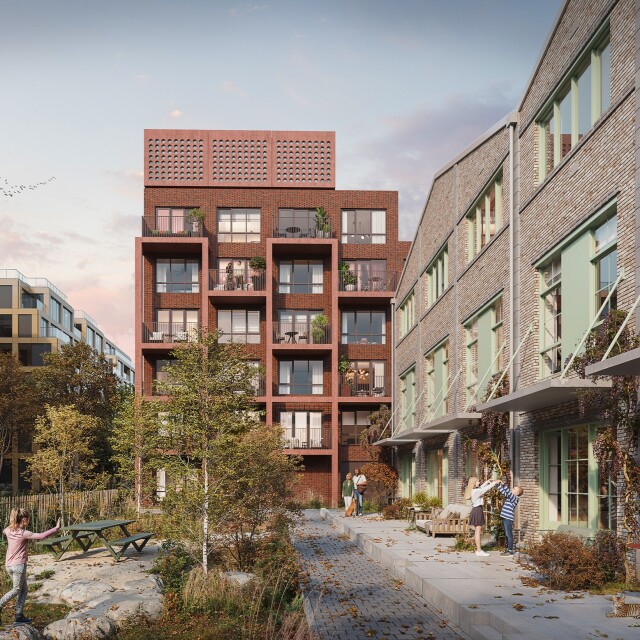
By integrating the same architectural features as the adjacent developments, a strong ensemble is created around the park that fits within the overall image of recognizable neighborhoods with their own identity and diversity. The materials palette used includes not only sand-colored brick but also wooden accents and green spaces, giving each residential block a varied character with warm and natural materials. In the inner courtyards, the focus is entirely on wood and greenery, with pergolas and wooden facades creating a pleasant atmosphere of coolness and greening.

Social heart
A social heart is created by activating the park and the surrounding buildings through attractive design and programming. Accessible places such as the neighborhood pavilion and a community living room promote social interaction.

With attention to nature
The climate analysis shows that the high groundwater level and the lack of trees in Vrouwenpolder cause problems during heavy rainfall and heat stress. The landscape design by Felixx is therefore based on three principles: using trees as natural CO2 storage, creating an ecological link between the city and the river, and buffering and gradually draining water. Furthermore, the area is designed with special attention to bird and insect species. By integrating bee mounds and bee hotels, and vegetated pergolas, a biodiverse environment is created that also provides pleasant and shaded outdoor spaces.
In the picture